“Separation” by government abuse of power
Son and Mother — Keenan and Amy
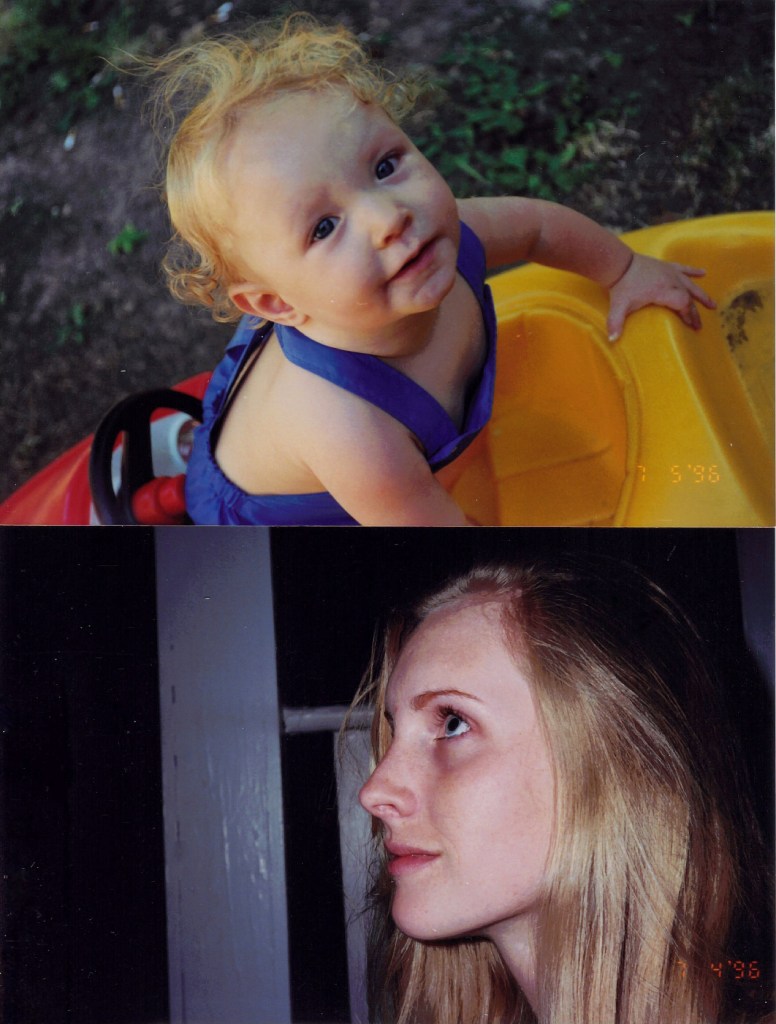
“Separation”
Separating a parent and child can also have profoundly negative effects.
Even when it is necessary, research indicates that removing children from their homes interferes with their development. The more traumatic the separation, the more likely there will be significant negative developmental consequences. Repeated separations interfere with the development of healthy attachments and a child’s ability and willingness to enter into intimate relationships in the future.
Children who have suffered traumatic separations from their parents may also display low self-esteem, a general distrust of others, mood disorders (including depression and anxiety), socio-moral immaturity, and inadequate social skills. Regressive behavior, such as bed wetting, is a common response to separation. Cognitive and language delays are also highly correlated with early traumatic separation.
Judges, prosecutors, and social workers in child placement must be continually aware of the magnitude of the changes children experience when they are removed from their families. See “Helping a Child Through a Permanent Separation” for ways to minimize the trauma of separation.
“Grief”
In most cases of separation, the families involved go through the five stages of grief (shock/denial, anger, bargaining, depression, and resolution), although not necessarily in this order. For example, it is possible for a grieving person to move from anger to depression and back to anger again. “Reactions to the Five Stages of Grief” is a chart that identifies behavioral expression in children and parents during each of these stages.
One of the most common errors made by judges, prosecutors, social workers, foster parents, and parents is to misinterpret a child’s compliant and unemotional behavior during the shock/denial stage and judge a placement to be a “success.” When a child is thought to have handled the move without distress, later behavioral signs are often not recognized as part of the grieving process. They may be ignored or attributed to emotional or behavioral problems. At times the child may even be punished for them, intensifying the child’s distress and depriving him of support and help!
References/Tallahassee, FL: Florida Department of Health and Rehabilitative Services.
 Freekeenan's Blog
April 10, 2021 at 12:25 pm
Difficult relationships
“Separation” by government abuse of power | Freekeenan's Blog