Lisa Haight=Hate
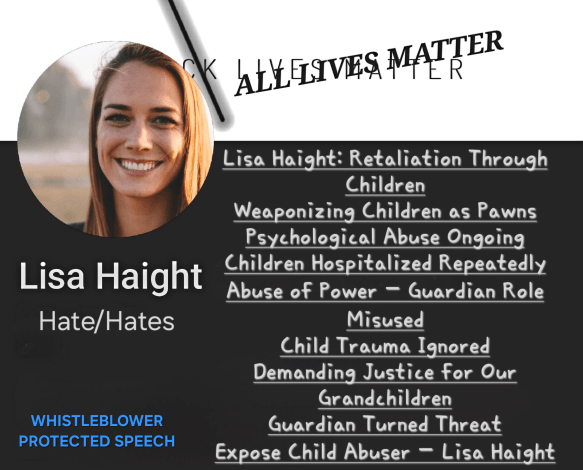
TRAVEL ADVISORY
When Protection Fails: The Silent Harm of Unverified Child Placements
In San Diego, my family is living through a nightmare—one brought on not by illness or accident, but by a broken system. Lisa Haight, the court-appointed guardian ad litem assigned to my granddaughters’ case, has taken actions that appear retaliatory, not protective. The consequences have been tragic.
Both of my tender-age granddaughters have now been hospitalized. The youngest is on oxygen. The oldest was recently admitted as well. These are children who are suffering—not from natural causes, but from the trauma inflicted by a system that was supposed to help them. All they want now is what every child deserves: to come home.
In a system designed to protect, two vulnerable children have instead suffered irreversible harm.
Since being removed from their biological family and placed with unrelated, unverified caretakers under the authority of San Diego County Child Welfare Services (CWS), both minors have experienced severe medical deterioration. Once healthy and thriving, they now face life-altering conditions that raise urgent questions about the system intended to safeguard their well-being.
Despite multiple red flags and concerns raised by advocates, professionals, and loved ones, the response from those in power has not been corrective—it has been retaliatory. The guardian ad litem, entrusted with defending the best interests of the children, appears instead to have participated in punitive actions against those exercising their protected First Amendment rights to speak out.
This is not just a story about two children—it is a warning about systemic failure. When oversight is absent and transparency is replaced by retaliation, the most vulnerable among us pay the price.
It’s time to demand answers, accountability, and reform. These children—and countless others like them—deserve nothing less.
Legal & Free Speech Disclaimer
All statements in this post are based on documented events, direct communications, and personal experiences. This content represents protected speech and opinion under the First Amendment of the United States Constitution. It is published for the purpose of public awareness, accountability, and child safety.
https://www.tiktok.com/t/ZTjDRoyxb/
https://x.com/i/broadcasts/1BRJjgdYLWRxw
https://x.com/eyeoftheSTORMsd/status/1910579815058727152
https://www.tiktok.com/t/ZTjAy5Fet/
https://www.facebook.com/1241416194/posts/10237099072076722/?mibextid=Nif5oz
https://www.tiktok.com/t/ZTjAQXmpd/
Tip line: 619-678-1442
Psychological Basis Against Visitation Interference:
1. Best Interest of the Child Standard:Courts must prioritize emotional, psychological, and developmental well-being. Maintaining relationships with safe, loving relatives (e.g., grandparents) is shown to stabilize children’s mental health, particularly in trauma cases.
2. Impact of Denying Familial Bonds: Psychological studies affirm that unjustified removal of contact with close relatives—without abuse or neglect—can cause long-term attachment trauma and trust issues.
3. Parental Alienation: If one party is intentionally interfering with relationships with family members, courts may view it as harmful to the child and contrary to their best interests.
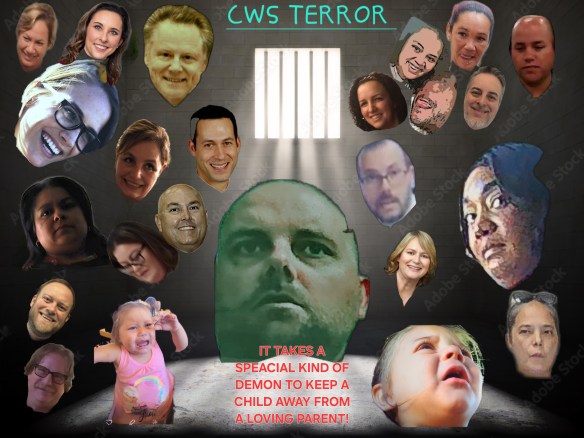
💔 THE TRUTH THROUGH A CHILD’S TEARS
💔 They just want to go home. Her words. Her tears. Her truth. Let the world hear her cry.
They didn’t remove lies. They removed proof. They didn’t protect children. They protected institutions. Terminating a YouTube account does not erase trauma — it only proves how badly someone wants it hidden.

 Freekeenan's Blog
Leave a comment