TRAVEL ADVISORY — San Diego Child Trafficking Network (CTN)
Recorded Demands to Silence Public Criticism Raise First and Fourteenth Amendment Concerns as Grandfather Fights for Malaika and Xayah, Climbing Higher Up the Judicial Ladder to the California Supreme Court for Review.
GRANDFATHER TAKES RETALIATORY RESTRAINING ORDER CHALLENGE TO CALIFORNIA SUPREME COURT
Recorded conversations involving children’s legal representatives raise questions about First Amendment retaliation, Fourteenth Amendment due process, and the use of restraining orders to suppress public criticism.
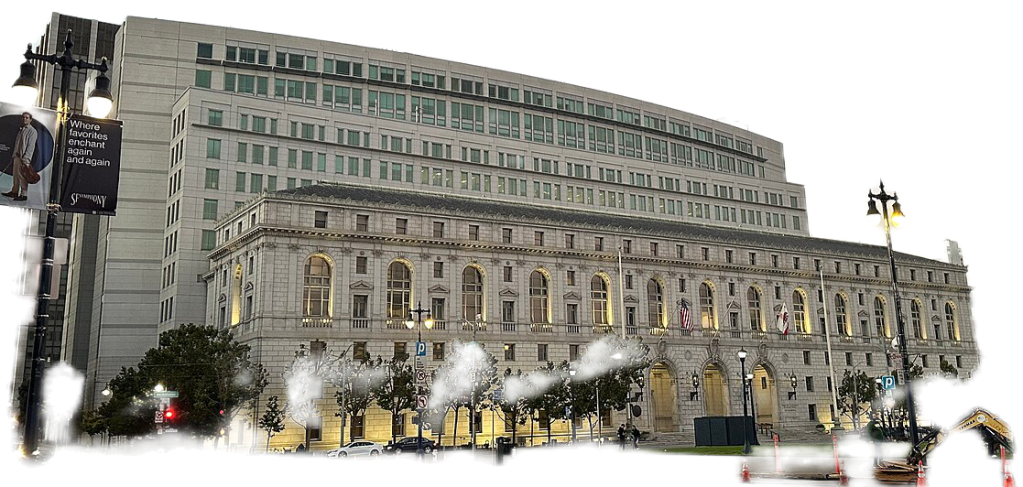
Ricky G. Robinson, grandfather of Malaika and Xayah Robinson, has filed a petition for review with the California Supreme Court following a decision by the Fourth District Court of Appeal concerning a restraining order he maintains was imposed in retaliation for exposing misconduct within San Diego County’s child-welfare system.
Robinson, representing himself without an attorney, challenges the legal basis for the restraining order and the consequences it continues to impose on his relationship with his granddaughters, whom he has not seen in more than a year.
RECORDED CONVERSATIONS AND DEMANDS TO REMOVE PUBLIC INFORMATION
Central to Robinson’s account are recordings of conversations involving individuals responsible for representing the children’s interests.
In one recorded conversation, Robinson says Children’s Legal Services supervisor Nicole McConn directed him to remove Guardian ad Litem Lisa Haight from his public website and warned that she would seek court opinions or intervention if he refused.
In another recorded conversation involving attorney Thomas Kisiel, the discussion turned to what Robinson would have to do to make the restraining orders disappear.
According to Robinson’s account of the recording, McConn identified several conditions and indicated that compliance would lead to caregiver Norma Olivares withdrawing the restraining order.
Robinson maintains that the conditions were directly connected to his public reporting and criticism of individuals involved in the dependency proceedings.
The conversation also included a reference to bids for the children, a statement Robinson considers especially disturbing given the ongoing proceedings concerning his granddaughters’ placement and future.
These recordings are central to Robinson’s contention that restraining orders were being used as leverage to control his speech rather than solely to address legitimate safety concerns.
FIRST AND FOURTEENTH AMENDMENT RIGHTS
Robinson’s challenge raises questions about whether government officials and individuals participating in court proceedings improperly conditioned relief from legal restrictions on his willingness to remove public criticism.
The First Amendment protects speech criticizing government conduct and the right to petition for redress of grievances. The Fourteenth Amendment protects procedural due process and certain family relationships from unlawful government interference.
Robinson contends that the recorded discussions, subsequent restrictions, and prolonged separation from his granddaughters warrant examination under these constitutional protections.
DOCUMENTED CHILD WELFARE CONCERNS AND DEMANDS FOR ACCOUNTABILITY
Beyond the restraining orders, Robinson has documented serious concerns involving the children’s medical treatment, emotional distress, prolonged separation from their parents and extended family, and the handling of reports of abuse.
He maintains that the available recordings, medical records, visitation videos, and correspondence warrant independent investigation into the conduct of social workers, County Counsel, children’s legal representatives, caregivers, and other participants in the proceedings.
Robinson has publicly characterized the wrongful separation and treatment of his granddaughters as child trafficking and has called for investigation of potential criminal misconduct, retaliation, abuse of authority, and interference with family relationships.
CALIFORNIA’S HIGHEST COURT
Following proceedings in the Fourth District Court of Appeal, Robinson has now brought his challenge to the California Supreme Court. The court has not yet decided whether to grant review.
His continuing legal efforts, public documentation, and demands for federal civil-rights accountability demonstrate the determination of a grandfather who refuses to abandon his fight for Malaika and Xayah.
The central question is no longer simply what Robinson claims happened. It is what the recorded conversations and other documentary evidence establish, and whether the institutions responsible for protecting children and constitutional rights will meaningfully examine that evidence.
Meanwhile, the pressure against Robinson continues, with the targets seemingly moving from one agency to another. The California Department of Social Services, through Senior Staff Attorney Pamela R. Lacey, is now pursuing administrative proceedings to revoke his Resource Family Approval (RFA). Robinson maintains that this latest action follows an escalating pattern of retaliation involving children’s legal representatives, County Counsel, social workers, judicial proceedings, and now the RFA program.
As one proceeding ends, another begins, leaving the grandfather defending himself on multiple fronts as though he were a notorious criminal rather than a senior citizen fighting for his two granddaughters. Robinson questions why so many institutional resources continue being directed toward him while his documented concerns about the children’s safety and welfare remain unresolved. The moving targets may change, but the grandfather remains the same, and so does his determination to expose misconduct and demand accountability.
END CHILD TRAFFICKING
MAKE MALAIKA AND XAYAH SAFE AGAIN — BRING THEM HOME
What San Diego County is doing to Malaika and Xayah and our family is institutionalized human savagery
— The Collective for Family Justice & Human Rights